NETRF 2026 Research Symposium
Keynote Address
Through the Looking glass: Twenty Years of Progress in Neuroendocrine Cancer and the Next Era of Discovery

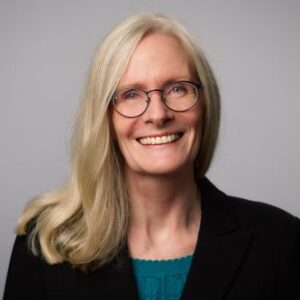
Chrissie Thirlwell, MBBS, PhD, FRCP, SFHEA, is an internationally recognized leader in neuroendocrine tumor research spanning basic science, translational research and clinical trials. Clinically she works as a Medical Oncologist and is a Professor of Cancer Genomics and Head of the University of Bristol Medical School.
Her research program has secured over $48 million in funding and her work has been published in Nature Genetics, Nature Medicine, Nature Methods, JAMA Oncology and Cancer Discovery and Lancet Oncology. Her neuroendocrine tumor research has identified distinct molecular subgroups and epigenetic biomarkers that are reshaping classification and leading towards personalized treatment, this is supported by collaborations across the Broad Institute and Harvard, UCSF, Bern,Verona, Madrid, Uppsala, UCL and Cambridge Universities.
In her keynote presentation Chrissie will share some key advances in neuroendocrine cancer research over her career to date, reflect on this incredible community of researchers, patients and supporters that she has had the privilege of working with and will then look to the future, where she hopes we can offer the most effective personalized therapies and ultimately prevent this cancer from developing.
Challenge Address

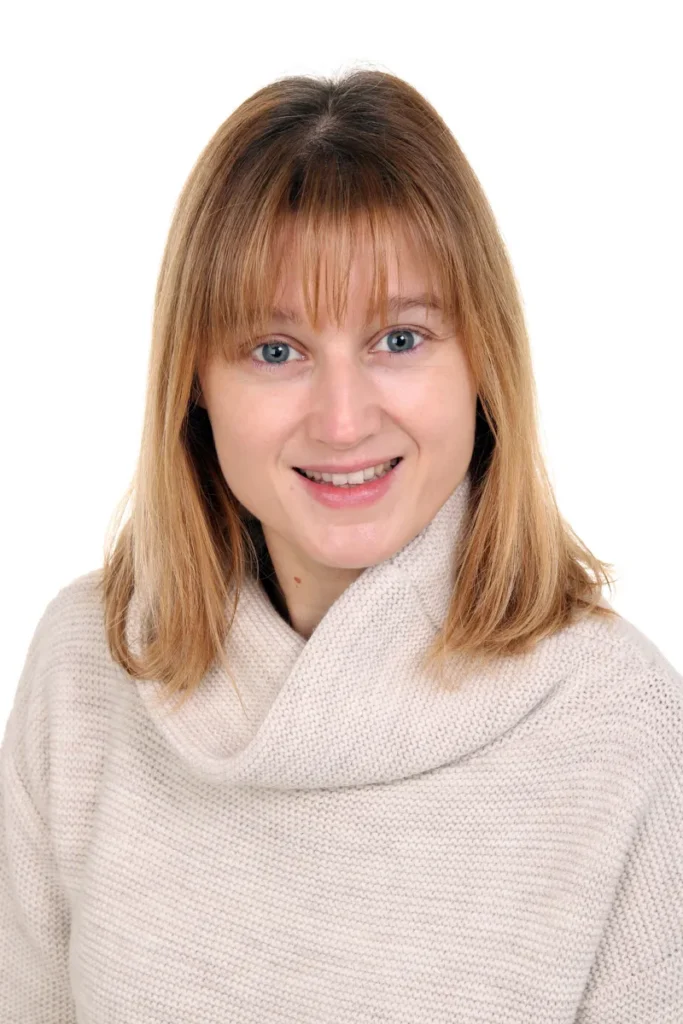
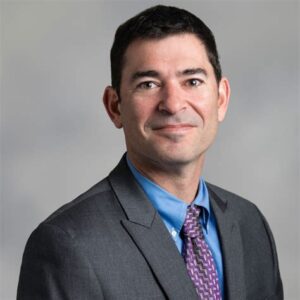
Lynnette Fernandez-Cuesta, PhD has more than 15 years of experience in the field of thoracic cancer functional genomics. She currently leads the Computational Cancer Genomics Team at IARC–WHO. As a Principal Investigator, she has made major advances in the study of thoracic tumors through the lungNENomics and MESOMICS projects. Among them is the discovery of supra-carcinoids, a finding that has significantly advanced the understanding of thoracic neuroendocrine tumors.
Lynnette will discuss the major challenges and emerging opportunities for implementing the morpho-molecular classification proposed in her recent publication in Molecular Cancer into routine clinical practice. Her presentation will highlight the practical considerations for integrating this classification into diagnostic workflows, its potential impact on patient stratification and personalized treatment, and the steps needed to facilitate its adoption in clinical settings.
Full Symposium Agenda Forthcoming
Symposium Agenda
Presenting Sponsor: Exelixis
All times listed are in Eastern Time
Monday, November 17:
5:00-6:00 PM – Registration
Location: Fenway Foyer, Hotel Commonwealth
6:00-8:00 PM – Welcome Reception & Poster Session
Location: Esplanade Room, Hotel Commonwealth
Sponsored by Chimeric Therapeutics
Tuesday, November 18:
Location: Hotel Commonwealth
8:00-9:00 AM – Breakfast & Registration
9:00-9:05 AM – Welcome
Elyse Gellerman, MHS, NETRF Chief Executive Officer
9:05-9:10 AM – Welcome & Meeting Logistics
Anna Greene, PhD, NETRF Chief Scientific Officer
9:10-9:45 AM – Keynote: Advancing Neuroendocrine Tumor Research: Milestones, Innovations, and the Path Forward
Pamela Kunz, MD, Yale University
9:45-10:00 AM – Patient Voice: Arrows in my Quiver
Nancy Lewis
SESSION 1: NEW Therapies and targets
Session Chairs: JUSTIN ANNES, MD, PhD and GREGORY WAY, PhD
Justin Annes, MD, PhD
Gregory Way, PhD
Presentations
10:00-10:15 AM – Inhibition of ROS detoxification to target GEP-NETs
Jeffrey Frost, PhD – UT Houston Health Science Center
10:15-10:30 AM – BH3-mimetic drugs elicit cell death of neuroendocrine tumors in preclinical models: an emerging therapeutic strategy for NETs
Zoey Wang, MPhil, Sunnybrook Research Institute
10:30-10:45 AM – Discussion
10:45-11:15 AM – Coffee Break
11:15-11:30 AM – Tumor cell surface targeting of high-grade neuroendocrine carcinomas
C. Allison Stewart, PhD, University of Texas MD Anderson Cancer Center
11:30-11:35 AM – Pharmacologic and genetic disruption of SDH sensitizes tumor cells to YM155-Induced DNA damage
Qianjin Guo, PhD – Stanford University
11:35-11:40 AM – UCHL1 is a molecular indicator and therapeutic target for gastrointestinal and pancreatic neuroendocrine tumors
Tanya Stoyanova, PhD, University of California, Los Angeles
11:40-11:55 AM – Discussion
11:55-12:10PM – Group Photo
12:10-1:30 PM – Lunch
Sponsored Lunch by ITM
SESSION 2: OMICS & TUMOR SUBTYPES
Session Chairs: CHRISSIE THIRLWELL, MBBS, PHD and TALYA DAYTON, PHD
Chrissie Thirlwell, MBBS, PhD
Talya Dayton, PhD
Presentations
1:30-1:45 PM – Lung NETs in the genomics era: past, present, and future of IARC’s lungNENomics project
Nicolas Alcala, PhD, IARC – WHO
1:45-2:00 PM – A cellular map of human pulmonary neuroendocrine diversity and proliferation
Christin Kuo, MD, Stanford University
2:00-2:15 PM – Spatial transcriptomics reveals local subtype-specific identity and signaling within multifocal small intestinal neuroendocrine tumors
Akitada Yogo, MD, PhD, University of California, San Francisco
2:15-2:20 PM – Identification of PABPC family, NOTCH1 and MTOR as critical somatic mutations in Diffuse Idiopathic Pulmonary Neuroendocrine Cell Hyperplasia (DIPNECH) from Whole Exome Sequencing (WES) analysis
Hui Yu, MD, University of Colorado Anschutz
2:20-2:35 PM – Whole transcriptome sequencing of pancreatic neuroendocrine tumors identifies recurrent fusion genes in BEND2 as a unique oncogenic driver that correlates with poor patient prognosis
Aatur Singhi, MD, PhD, University of Pittsburgh
2:35-2:50 PM – Discussion
2:50-3:30 PM – Coffee Break
SESSION 3: TUMOR MICROENVIRONMENT
Session Chairs: DAWN QUELLE, PHD and MAURO CIVES, MD
Dawn Quelle, PhD
Mauro Cives, MD
Presentations
3:30-3:45 PM – A New Therapeutic Avenue Tackling Liver Metastasis and Antiangiogenic Resistance in PanNETs
Minah Kim, PhD, Columbia University
3:45-4:00 PM – Analysis of the tumor microenvironment in small intestinal NETs
Netta Mäkinen, PhD, Dana-Farber Cancer Institute
4:00-4:05PM – Dissecting the neuroimmune landscape of pancreatic neuroendocrine tumors with single-cell spatial proteo-transcriptomics
Jeanna Qiu, AB, Harvard Medical School
4:05-4:10 PM – TILs in pancreatic neuroendocrine tumors (panNETs): Towards Novel Cell Therapy Approaches
Nada Chaoul, PhD, University of Bari Aldo Moro
4:10-4:15 PM – Single-Cell Dissection of Cellular Crosstalk and Ligand-Receptor Networks Underlying Grade Transformation in Pancreatic Neuroendocrine Tumors
Himanshu Singh, PhD, Memorial Sloan Kettering Cancer Center
4:15-4:20 PM – Unravelling the molecular mechanisms behind mesenteric fibrosis: from multi-omic analysis to target gene identification using a novel in vitro 3D patient-derived model
Harry Hodgetts, MSc, University College London
4:20-4:35 PM – Discussion
4:35-4:40 PM – Travel Award Presentations
Susie Harrington, NETRF Chief Development Officer
4:40-6:00 PM – Extended Poster Viewing & Happy Hour
Location: Esplanade Room
Sponsored by ITM
6:00 PM – End of Day
Wednesday, November 19:
Location: Hotel Commonwealth
8:00-9:00 AM – Breakfast & Registration
9:00-9:05 AM – Welcome
Anna Greene, PhD, NETRF Chief Scientific Officer
9:05-9:20 AM – Patient Voice: The Healing Garden
Jake Dawson
9:20-9:45 AM – Challenge Address: Gaps in Basic & Translational Neuroendocrine Cancer Research
Iacovos Michael, PhD – Sunnybrook Research Institute & University of Toronto
9:45-10:00 AM – Discussion
SESSION 4: RADIOPHARMACEUTICALS
Erik Mittra, MD, PhD
Daniel Halperin, MD
Session Chairs: ERIK MITTRA, MD, PHD and DANIEL HALPERIN, MD
Presentations
10:00-10:15 AM – EphA2 Targeting Peptide Radiotheranostics for Lung Neuroendocrine Tumors
Ajay Kumar Sharma, PhD, Johns Hopkins University
10:15-10:30 AM – Enhancer landscape of neuroendocrine tumors reveals developmental signatures with theranostic implications
Yotam Drier, PhD, Hebrew University of Jerusalem
10:30-11:00 AM – Coffee Break
11:00-11:15 AM – Results of the COPPER PET in NET Trial: a randomized, crossover, readers blind, phase I/II study comparing 61Cu-NODAGA-LM3 and 68Ga-DOTATOC for the detection of Neuroendocrine Tumors
Guillaume Nicolas, MD, University Hospital Basel
11:15-11:30 AM – Computational Design and Preclinical Evaluation of Chelators for the Alpha-Emitter Pb-212
Dongyoul Lee, PhD, Korea Military Academy
11:30-11:35 AM – Testing of current and novel FAPI agents in Neuroendocrine tumors
Gina Kaup, B.S., University of Michigan
11:35-11:50AM – Discussion
11:50-12:20PM – Break & Lunch
Sponsored by Perspective Therapeutics
SESSION 5: BIOLOGY AND MODEL SYSTEMS
Session Chairs: IACOVOS MICHAEL, PHD AND JAMES BIBB, PHD
Iacovos Michael, PhD
James Bibb, PhD
Presentations
12:20-12:35 PM – Using patient-derived tumor organoids to uncover mechanisms of pulmonary NET progression
Talya Dayton, PhD, European Molecular Biology Laboratory (EMBL) – Barcelona
12:35-12:50 PM – Variable GLP-1 receptor expression across diverse neuroendocrine neoplasms: Implications for incretin therapies
Andrew Bellizzi, MD, University of Iowa
12:50-1:05 PM – Sortilin in Functional Neuroendocrine Tumors: Marker and Target
Felix Bolduan, MD, Charité Universitätsmedizin Berlin
1:05-1:10 PM – Establishing and characterizing new pancreatic neuroendocrine tumor mouse models
Shifei (Samuel) Wu, BSc, Lunenfeld Tanenbaum Research Institute/University of Toronto
1:10-1:15 PM – miR-375 targets YAP to regulate neuroendocrine differentiation and tumorigenesis in PanNEN cells
Tashifa Imtiaz, BScH, MSc, Queen’s University
1:15-1:20 PM – The genetic evolution of low to high-grade progression in pancreatic neuroendocrine tumors
Nancy Joseph, MD, PhD, University of California, San Francisco
1:20-1:35 PM – Discussion
1:35-1:45 PM – Knowledge Gained, Horizons Ahead – Close of Meeting
Mauro Cives, MD, University of Bari Aldo Moro