
Project title: Elucidating the mechanisms for resistance to antiangiogenic therapy and metastasis in PanNETs
Yeonghwan Kim, PhD Columbia University
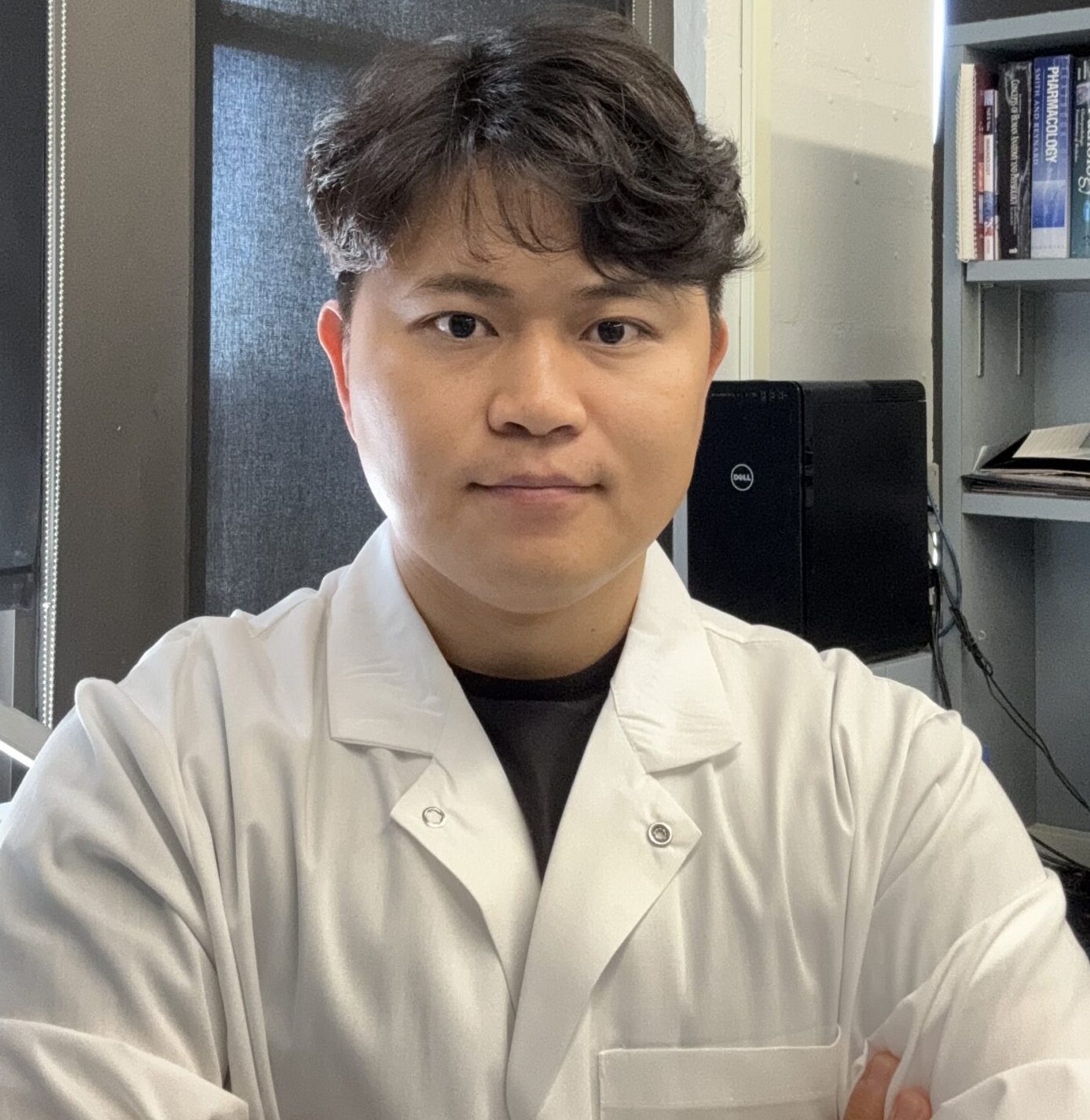
- Status: Active
- Year(s): 2025
- Grant Type: Mentored
- Research Type: Translational
- Primary Tumor Site: Other
- Area of Inquiry: Diagnostic, Biomarkers, Tumor Microenvironment, Uncovering the molecular and genetic basis of NETs
What critical neuroendocrine cancer problem/question will researchers try to answer?
This research focuses on understanding why pancreatic neuroendocrine tumors (PanNETs) become resistant to current therapies. One of the main treatment strategies for advanced PanNETs is blocking the growth of new blood vessels, which tumors need to survive. The drug sunitinib is approved for this purpose, but while it helps for a time, most patients eventually develop resistance, and their cancer continues to spread.
Why is this important?
About 40% of patients with pancreatic neuroendocrine tumors are diagnosed only after the cancer has already spread to the liver.
What will the researchers do?
Our work will focus on how tumor blood vessels drive liver metastasis and resistance to current anti-angiogenic therapies in advanced PanNET patients. Using a specialized mouse model that closely mimics human disease, we discovered that a protein called VEGF-C may allow tumors to grow new blood vessels even when standard drugs block other growth signals. This suggests VEGF-C could be a powerful new target for treatment.
How might this improve the treatment of neuroendocrine cancer?
By uncovering how tumors bypass current therapies, the goal is to deliver more personalized treatments that slow tumor growth, reduce liver metastases, and improve both survival and quality of life for patients with PanNETs. The successful completion of this project will guide rational combination strategies to enhance the clinical management of PanNETs.
Additional Details
- City: New York
- State: New York
- Country: United States
- Grant Duration: 2 years
- Sponsor: Elaine Nord
DISCLAIMER
NETRF funds laboratory research to understand the development of neuroendocrine tumors and translational research to explore new concepts in treatment. Research grant descriptions and research updates from NETRF are not intended to serve as medical advice. It can take years for research discoveries to be fully validated and approved for patient care. Always consult your health care providers about your treatment options.