
News

The Power of Persistence
A few weeks ago, I heard Dr. James Allison, a scientist at MD Anderson Cancer Center and winner of the 2018 Nobel Prize for Physiology
National Doctor’s Day
NETRF invites your participation in a special, upcoming holiday. National Doctor’s Day will be celebrated on Saturday, March 30th and it is a great opportunity
Celebrating Progress in NET Research Funding
by Susan Payson NETRF Chief Development Officer Here in the NETRF office in Boston, we have a large brass bell. Our practice is to ring
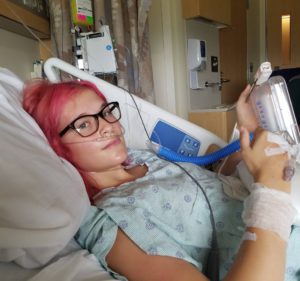
Lilly Had Cancer … a NET Cancer
High school student diagnosed with NET raises awareness among classmates and her community by selling pink zebra stickers.

Stress and Cancer
Dr. Sonia Lupien, Director of the Centre for Studies on Human Stress at the University of Montreal, delivered an informative and uplifting talk on the
NETRF Announces $2.5 Million in Research to Advance the NETs
New grants to explore CAR-T, PRRT, a vaccine for NETs and other innovative approaches.

Celebrating what brings us together
As we get ready to welcome 2019, we want to thank those who helped NETRF make 2018 so memorable. This year, with your help, we climbed mountains, reached new heights, and are ready for the next part of our journey to find better treatments and cures.

Milwaukee Teen Raises Esther STRONG Funds for Stepmom and NET Research
In October 2017, Haillie’s stepmother, Esther— who hadn’t been feeling well—was having a lot of doctor appointments and tests.

NETRF Researchers Named as World’s Most Influential Scientists for 2018
Clarivate Analytics has released the most influential researcher list for 2018, which identifies exceptional researchers whose highly cited work is among the top 1% in their field around the world.
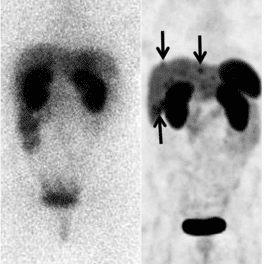
Ga-68 Dotatate PET/CT Scan for Neuroendocrine Tumors
If you’ve ever been tested for eyeglasses, you know how one lens can create grainy, foggy images and the next crisp, clear letters. That’s the kind of difference you can see between the Gallium-68 PET/CT scan and prior technology. But are these newer imaging techniques better? And who stands to benefit most from them?