
News
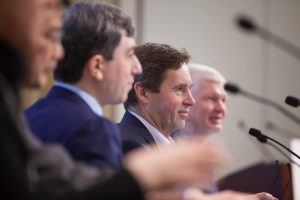
Immunotherapy Update: What We’ve Learned
Immunotherapy has been called one of the most significant advances in cancer in decades. While this approach may work in some cancers, it is unclear
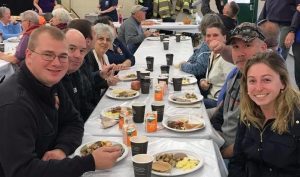
Small community experiences big impact from NETs
In between Sebago Lake and Casco Bay, there’s a Maine community where many people know about NET cancer and can even name someone who has

The passing of Aretha Franklin, Queen of Soul
We are saddened to hear of the passing of Aretha Franklin, the Queen of Soul, who died of a pancreatic neuroendocrine tumor (pNET). She was
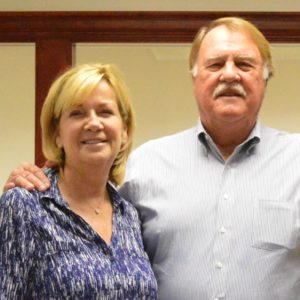
Karpus Family Foundation Supports NET Research
We are pleased to announce a $100,000 grant from the Karpus Family Foundation, Rochester, NY. The grant will help us discover insights into the life cycle
Study to Look for Predictive Biomarker
New Potential NET Treatment under Investigation It is hard for doctors to know which patients will respond to which therapies. New approaches in personalized medicine
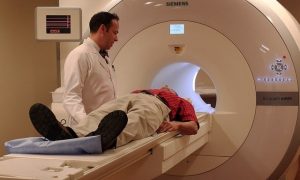
Understanding Your Neuroendocrine Tumor Diagnosis
Understanding the grade and stage of neuroendocrine cancer and how that relates to prognosis.

FDA Approves New Treatment for Pheo/Para
The U.S. Food and Drug Administration (FDA) approved iobenguane I 131, an intravenous radiotherapeutic, for the treatment of unresectable, locally advanced or metastatic pheochromocytoma or

Preparing for the Disaster
Natural or man-made disasters often occur with little or no notice. Being prepared for a disaster during COVID-19 is important for everyone, but cancer patients
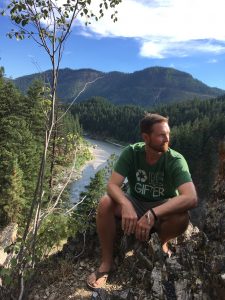
A Blessing in Disguise?
David Van Bibber calls his neuroendocrine cancer diagnosis a blessing in disguise.it. Since his 2010 diagnosis at the age of 32, David’s priorities and perspectives have changed. As a result, he has invested more deeply in his health, his family, and his community. Now he is reaping the rewards of that investment and finding daily joy in his life.
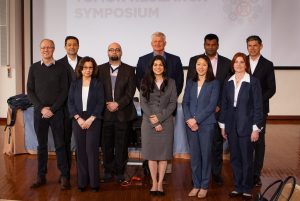
Record Setting Number of Requests for Funding
On May 16, 2018, NETRF released its annual Request for Applications (RFA) and invited investigators and teams of investigators from around the world to submit