
Thank you for your generous support. Because of you, 2025 was a year of meaningful momentum in neuroendocrine cancer research. Through 50 active NETRF-funded projects worldwide, scientists made discoveries that are transforming what is possible for patients – advancing earlier detection, new therapies, and more personalized treatment approaches. This year, your generosity helped:
Advance earlier detection
Researchers made important progress toward earlier diagnosis by advancing work on blood-based biomarkers, developing improved imaging tracers, and refining tumor classification tools. These advances bring us closer to approaches that could one day help clinicians identify neuroendocrine cancer sooner—when treatment can make the greatest difference.
Accelerate new treatment strategies
Thanks to your support, investigators advanced a wide range of therapeutic innovations, from targeted therapies and radiopharmaceuticals to next-generation immunotherapies. This year, researchers:
- Launched new early-phase clinical trials in peptide receptor radionuclide therapy (PRRT) and other targeted therapies.
- Identified new drug targets and strategies that may help patients overcome resistance.
- Investigated neoantigen vaccines, T-cell approaches, and new imaging tracers that improve both imaging and treatment.
Build tools that move care toward precision medicine
NETRF-funded scientists created essential tools that will enable personalized care, including:
- Organoids, patient-derived models, and xenografts that can be used to more effectively test potential new therapies for neuroendocrine cancer.
- High-resolution tumor maps that explain why tumors behave differently and why some respond to treatment while others do not.
- Tools and techniques that can help predict which patients are most likely to benefit from specific therapies.
Improve quality of life and long-term outcomes
Researchers also focused on challenges that directly address patient well-being. Studies this year:
- Identified markers that may help predict mesenteric fibrosis, a painful complication.
- Revealed important interactions among tumor cells, nerves, and immune cells that contribute to pain and progression.
- Found genetic and molecular features linked to how and when tumors progress, helping clinicians tailor surveillance and support.
Your partnership fuels this progress. Every discovery – every model built, every biomarker identified, every new therapy tested – moves us closer to a future where neuroendocrine cancer is found earlier, treated more effectively, and ultimately cured.
Thank you for making this work possible.
Individual Awards (Alphabetical by Principal Investigator)
This Year in Review highlights NETRF-funded research underway in 2025. Several of these projects have now concluded, while others remain in progress.

Mentored Research Award (MRA) – Else Aalbersberg, PhD – Netherlands Cancer Institute (Netherlands)
Dr. Aalbersberg is conducting a clinical trial to test whether patients can safely continue their long-acting somatostatin analog (SSA) injections while receiving PRRT.
Potential Impact: If confirmed, this could allow patients to continue a treatment that controls their symptoms without interrupting their PRRT schedule.
 Mentored Research Award (MRA) – Nicolas Alcala, PhD – International Agency for Research on Cancer (France)
Dr. Alcala analyzed molecular data from hundreds of tumors and defined four distinct molecular types of lung neuroendocrine tumors (lung NETs), each with a distinct cell of origin and DNA alterations.
Potential Impact: Understanding a patient’s specific subtype of lung neuroendocrine cancer could help doctors select more effective personalized treatments instead of a one-size-fits-all approach.

Mentored Research Award (MRA) – Elham Barazeghi, PhD – Uppsala University (Sweden)
Dr. Barazeghi has mapped epigenetic changes, or “switches,” in tumor DNA that drive growth and spread of small-intestinal neuroendocrine tumors (SI-NETs).
Potential Impact: Her discoveries highlight new biological “on/off switches” that could become drug targets and may lead to tests that identify patients at higher risk of metastasis.

Investigator Award (IA) – Emily Bergsland, MD – University of California, San Francisco (USA)
Dr. Bergsland leveraged data from a major clinical trial (Alliance A021202) showing that the targeted therapy pazopanib can slow tumor growth, though with notable side effects. Her team is now linking imaging and blood markers to treatment outcomes.
Potential Impact: This work may help clarify which groups of patients could potentially benefit from pazopanib and which markers best reflect response and toxicity, informing future treatment guidelines.
 Accelerator Award (AA) – James Bibb, PhD – University of Arizona (USA)
Dr. Bibb is developing new lab models and tests to understand how the protein Cdk5 drives neuroendocrine tumors and to screen existing FDA-approved drugs that might block this pathway.
Potential Impact: If successful, this work could lead to a test that identifies patients whose tumors depend on Cdk5 and to targeted treatments that are more likely to work for those patients.
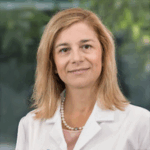 Investigator Award (IA) – Lisa Bodei, MD, PhD – Memorial Sloan Kettering Cancer Center (USA)
Dr. Bodei’s project is developing a positron emission tomography (PET) method that allows clinicians to determine early on whether PRRT is working.
Potential Impact: Her team is developing a practical imaging “PRRT scorecard” that can tell clinicians early on whether PRRT is effective and help guide retreatment or changes in therapy.
 Accelerator Award (AA) – Martyn Caplin, DM, FRCP – University College London / Royal Free London (UK)
Prof. Caplin’s team is developing tools to understand and predict mesenteric fibrosis, a painful and debilitating complication in some patients with SI-NETs.
Potential Impact: This research is laying the groundwork for better ways to measure, predict, and treat mesenteric fibrosis in SI-NETs.
 Investigator Award (IA) – Chang Chan, PhD – Rutgers University (USA)
Dr. Chan used single-cell gene analysis to pinpoint growth signals, particularly the growth factor IGF2, that are abnormally activated in pancreatic neuroendocrine tumor cells.
Potential Impact: In the future, this could help doctors better detect and classify these tumors and pave the way for targeted drugs that block IGF2-driven growth and blood-vessel formation.
 Pilot Award (PA) – Mauro Cives, MD – University of Bari “Aldo Moro” (Italy)
Dr. Cives showed that immune cells living inside pancreatic neuroendocrine tumors (PanNETs) can be isolated from patients, expanded to very large numbers in the lab, and that some of them are especially good at recognizing cancer cells based on unique tumor markers.
Potential Impact: In the future, this could lay the groundwork for a personalized cell therapy for PanNET patients, where doctors grow and reinfuse each person’s most powerful tumor-attacking immune cells, similar to treatments already used for melanoma.
 Investigator Award (IA) – Jérôme Cros, MD, PhD – University of Paris (France)
Dr. Cros has used multi-region and longitudinal sampling of PanNETs to find that different parts of the same pancreatic tumor can behave very differently at the molecular level.
Potential Impact: Identifying genetic and epigenetic differences between tumor samples may explain why some treatments work for a while and then fail, underscoring the importance of personalized treatment strategies.
 Investigator Award (IA) – Talya Dayton, PhD – EMBL Barcelona (Spain)
Dr. Dayton’s team has established one of the largest living collections of NET organoids (miniature tumors grown from patient samples) to test how different NET types respond to drugs, including an EGFR-driven vulnerability in lung NETs.
Potential Impact: These models allow for far more accurate drug testing and may help identify which treatments a patient is most likely to respond to.
 Mentored Research Award (MRA) – Jules Derks, MD, PhD – Erasmus MC (Netherlands)
Dr. Derks has developed and validated a marker panel that can sort lung neuroendocrine tumors into different molecular subtypes, using a uniquely large group of nearly 300 patients from around the world.
Potential Impact: Over time, this could help guide clinical trials and, eventually, treatment decisions so that people with lung NETs receive therapies better matched to the specific biology of their tumor.
 Investigator Award (IA) – Po Hien Ear, PhD – University of Iowa (USA)
Dr. Ear is building powerful lab models of highly drug-resistant small intestinal NETs (SI-NETs) to understand exactly how they break down cancer drugs and which mutations and energy pathways they use to do it.
Potential Impact: This work could lead to treatments that prevent SI-NETs from blocking the action of cancer drugs, helping existing therapies work better and potentially improving outcomes for patients with these tumors.
Pilot Award (PA) – Po Hien Ear, PhD – University of Iowa (USA)
This project used patient-derived NET (SI-NET) models and mouse studies to show that serotonin makes these tumors more aggressive and more drug-resistant, and that blocking serotonin can slow their growth.
Potential Impact: Over time, this could point to new combination treatments, pairing serotonin-blocking strategies with existing NET drugs, that better control tumor growth and ease serotonin-related symptoms like severe diarrhea and heart problems.
 Investigator Award (IA) – Melpomeni Fani, PhD – University Hospital Basel / University of Basel (Switzerland)
Dr. Fani’s team has built and validated a complete, clinical-ready pipeline for a new PET imaging tracer using Copper-61 and opened an early-phase patient study.
Potential Impact: If successful, this new, more affordable PET tracer could expand access to high-quality somatostatin receptor imaging for NET patients and provide clinicians with clearer images to guide treatment selection and follow-up.
 Investigator Award (IA) – Matthieu Foll, PhD – International Agency for Research on Cancer (France)
Dr. Foll’s team is using special lab tests on tumor samples and advanced computer analysis to sort lung neuroendocrine tumors into more precise subtypes, so doctors can better understand what kind of cancer a person has and what it might do over time.
Potential Impact: This research is paving the way for a more precise classification of lung neuroendocrine tumors, providing pathologists and oncologists with clearer categories that can improve diagnosis, guide prognosis, and support more targeted clinical trials and treatments.
 Investigator Award (IA) – Jeffrey Frost, PhD – UTHealth Houston, McGovern Medical School (USA)
Dr. Frost found that combining two drugs (auranofin and IKE) kills NET cells more effectively than either drug alone, and the combination appears safe in mice.
Potential Impact: This could become a new treatment option for patients.
 Investigator Award (IA) – Carl Gay, MD, PhD – MD Anderson Cancer Center (USA)
Dr. Gay identified new surface markers on aggressive neuroendocrine carcinomas (NECs) that could be used to deliver targeted immunotherapies.
Potential Impact: These discoveries open the door to next-generation targeted immunotherapies for patients with NECs, who currently lack effective treatment options.
 Pilot Award (PA) – Sharon Gorski, PhD – BC Cancer, Vancouver (Canada)
Dr. Gorski’s team has mapped sugar modification patterns in PanNET cells that may indicate which tumors are more likely to spread.
Potential Impact: This work may lead to new tests that help doctors identify high-risk patients earlier.
 Mentored Research Award (MRA) – Qianjin Guo, PhD – Stanford University School of Medicine (USA)
Dr. Guo developed long-lasting cell models of pheochromocytomas and paragangliomas (PPGLs) with SDH mutations, identified a drug that selectively kills these cancer cells, and built CRISPR screening tools to uncover additional vulnerabilities.
Potential Impact: This brings hope for targeted treatments for patients with SDH-mutated PPGLs, conditions with limited treatment options today.
 Pilot Award (PA) – Christopher Heaphy, PhD – Boston University / Boston Medical Center (USA)
Dr. Heaphy’s team is using advanced “molecular mapping” tools to see where different cells and signals sit inside PanNETs, so they can sort these tumors into more precise subtypes and better understand how they behave.
Potential Impact: This work has already led to a new, easy-to-run ALT–CISH test that helps pathologists more accurately identify higher-risk PanNETs, giving doctors a better tool to tailor decisions about surgery, surveillance, and potential future targeted treatments.
 Investigator Award (IA) – William Hwang, MD, PhD – Massachusetts General Hospital / Harvard Medical School (USA)
Researchers are using advanced mapping tools to see how PanNET cells interact with nearby nerves and immune cells, and which signals seem to drive more aggressive tumor behavior.
Potential Impact: In the future, this could point to new treatments that “cut the lines of communication” between tumors and nerves, potentially slowing disease progression and reducing nerve-related symptoms for patients.
 ERF/NETRF Nuclear Medicine Pilot Grant – James Inkster, PhD – McMaster University (Canada)
Dr. Inkster is creating a simpler, high-yield way to make fluorine-18 PET imaging drugs for NETs.
Potential Impact: This work could help more hospitals offer high-quality PET scans for NETs, improving access to accurate diagnosis and ongoing monitoring for patients.
 Investigator Award (IA) – Nancy Joseph, MD, PhD – University of California, San Francisco (UCSF) (USA)
Dr. Joseph is studying DNA changes in pancreatic neuroendocrine tumors over time to learn why some stay slow-growing while others evolve into more aggressive, hard-to-treat cancers.
Potential Impact: These discoveries may help identify patients at risk of grade progression much earlier, allowing for more tailored monitoring and timely intervention.
 Investigator Award (IA) – Philippe Joubert, DVM, MD, PhD Université Laval (Canada)
Dr. Joubert is building a detailed genetic and tissue “map” of a rare lung condition called DIPNECH, using carefully collected patient samples to see how small neuroendocrine cell clusters develop into larger growths and tumors.
Potential Impact: In the future, this could help doctors diagnose DIPNECH earlier, distinguish which patients are more likely to progress, and guide more tailored monitoring and treatment strategies.
 Investigator Award (IA) – Xavier Keutgen, MD – University of Chicago (USA)
Building on earlier NETRF-funded work, Dr. Keutgen found that combining the drug fulvestrant with radiation-based therapy improves treatment effectiveness in neuroendocrine tumors.
Potential Impact: His work directly led to a new clinical trial now open to patients. This speeds a promising treatment combination into the clinic, potentially offering patients a more effective therapy option.
 Pilot Award (PA) – Susanne Kossatz, PhD – Technical University of Munich (Germany)
Dr. Kossatz is developing a lab model to better measure how radiopharmaceutical therapies (like PRRT) affect the kidneys—one of the treatment’s most important safety considerations.
Potential Impact: This tool will help scientists test kidney-sparing strategies and design safer radiopharmaceuticals for future patients.
 Investigator Award (IA) – Christin Kuo, MD – Stanford University School of Medicine (USA)
Dr. Kuo mapped thousands of rare neuroendocrine cells in the airways of the lung to identify the specific cells that could give rise to lung neuroendocrine tumors (lung NETs).
Potential Impact: Identifying the cells where these tumors begin is a crucial step toward earlier detection and the development of new treatments specific to lung NET biology.
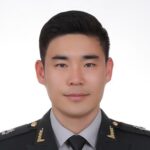 Pilot Award (PA) – Dongyoul Lee, PhD – Korea Military Academy (Korea)
Dr. Lee is designing improved “chelators” that keep powerful alpha-emitting isotopes attached to tumor-targeting molecules, preventing harmful leakage into healthy tissues.
Potential Impact: These advances could make next-generation alpha therapies safer and more effective for patients.
 Accelerator Award (AA) – Steven Libutti, MD – Rutgers Cancer Institute of New Jersey (USA)
Dr. Libutti is mapping immune checkpoint pathways in PanNETs to understand why immunotherapy works for some cancers but not for NETs.
Potential Impact: His findings may reveal new immune-based strategies that finally allow NET patients to benefit from immunotherapy.
 Pilot Award (PA) – Haider Mahdi, MD – University of Pittsburgh Medical Center / Magee-Womens Research Institute (USA)
Dr. Mahdi found that combining CDK4/6 inhibitors with chemotherapy or PARP inhibitors significantly improves outcomes in animal models of gynecologic neuroendocrine carcinomas (NECs).
Potential Impact: These promising results lay the groundwork for future clinical trials that could test new treatment options for people with rare, aggressive gynecologic neuroendocrine cancers.
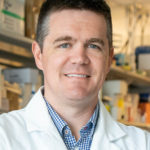 Pilot Award (PA) – Kevin McHugh, PhD – Rice University (USA)
Dr. McHugh’s project is building a gene-editing–based therapy that inserts “self-destruct” or immune-activating programs specifically into NET cells while sparing normal tissues, using CRISPR and genome-integrating delivery systems.
Potential Impact: This highly targeted approach represents a bold new frontier: treatments that selectively eliminate cancer cells based on their genetic signatures.
 Investigator Award (IA) – Dan Merrick, MD – University of Colorado Anschutz Medical Campus (USA)
Dr. Merrick assembled a large DIPNECH cohort and identified genetic mutations distinct from those observed in lung neuroendocrine tumors.
Potential Impact: His findings help clarify DIPNECH as a true early-stage condition and may lead to better early-intervention strategies before cancer develops.
 Accelerator Award (AA) – Matthew Meyerson, MD, PhD – Dana-Farber Cancer Institute / Broad Institute / Harvard Medical School (USA)
Dr. Meyerson’s team used powerful genetic and molecular tools to show that the many SI-NETs that can arise in the same patient often start independently, have different patterns of gene activity, and interact differently with their surrounding cells.
Potential Impact: Over time, these insights could help surgeons ensure all primary tumors are found and removed and support more personalized drug treatments that target the specific weaknesses of each patient’s tumors instead of treating them all the same way.
 NANETS/NETRF BTSI Award – Iacovos Michael, PhD – Sunnybrook Research Institute / University of Toronto (Canada)
Dr. Michael is developing a blood test that uses exosomal microRNAs to detect SI-NETs earlier.
Potential Impact: A simple blood test could transform diagnosis for patients, especially since many neuroendocrine cancers are not found until the disease is advanced.
 Mentored Research Award (MRA) – Majid Momeny, PhD – UTHealth Houston (USA)
Dr. Momeny discovered that blocking two stress-response enzymes (DUSP1 and DUSP6) makes NET cells more vulnerable to treatment.
Potential Impact: This work points to a new way to weaken NET cells’ built-in stress defenses, which could one day be used alone or in combination with PRRT to make treatment more effective for people with advanced NETs.
 Investigator Award (IA) – Scott Oakes, MD – University of Chicago (USA)
Dr. Oakes’ team is studying why mTOR-targeted drugs like everolimus work well for some patients but not others.
Potential Impact: In the future, this work could lead to new combination treatments with everolimus that overcome resistance and help the drug control advanced PanNETs more effectively and for a longer time.
 NANETS/NETRF BTSI Award – Eleonora Pellé, MD – Moffitt Cancer Center (USA)
Dr. Pellé showed that a bispecific T-cell engager (BiTE) can redirect a patient’s own immune cells to attack neuroendocrine tumor cells.
Potential Impact: This could eventually offer an “off-the-shelf” immunotherapy option for NET patients, something currently unavailable.
 Investigator Award (IA) – David Raffel, PhD – University of Michigan (USA)
Dr. Raffel tested a new PET scan tracer in people with suspected or known PPGL and found that it produces clear images very similar to current scans, while being especially good at flagging only the tumors that use adrenaline-like signals.
Potential Impact: If confirmed in larger studies, this new scan could give doctors a faster, more precise way to diagnose and map these rare adrenal neuroendocrine tumors, helping them choose the right treatment and avoid unnecessary surgery or follow-up for growths that aren’t the right tumor type.
 Investigator Award (IA) – Michael Roehrl, MD, PhD, MBA – Beth Israel Deaconess Medical Center / Harvard Medical School (USA)
Dr. Roehrl used advanced protein mapping to differentiate PanNETs from other pancreatic cancers and identify new druggable pathways.
Potential Impact: These protein-level markers could lead to more precise diagnostics and the development of new targeted therapies.
 NANETS/NETRF BTSI Award – J. Bart Rose, MD – University of Alabama at Birmingham (USA)
Dr. Rose analyzed national datasets and found important differences in outcomes for Black patients with PanNETs, including stage at diagnosis and treatment access.
Potential Impact: In the future, this could lead to better tools for predicting which tumors are high-risk and more personalized, equitable treatment strategies that improve care and outcomes for patients of all backgrounds.
 Pilot Award (PA) – Anguraj Sadanandam, PhD – The Institute of Cancer Research, London (UK)
Dr. Sadanandam is identifying tumor-specific neoantigens and immune features that can guide personalized cancer vaccines for PanNETs.
Potential Impact: This research could lead to therapies tailored uniquely to each patient’s tumor biology.
 NANETS/NETRF BTSI Award (NANETS) – Victor Santoro-Fernandes, PhD – University of Wisconsin–Madison (USA)
Dr. Santoro-Fernandes has been building a multi-institutional dataset that links detailed PET imaging, peptide receptor radionuclide therapy (PRRT) dosing, and patient outcomes to predict who benefits the most from PRRT.
Potential Impact: These predictive tools may help doctors deliver more personalized and effective treatment plans.
 Investigator Award (IA) – Daniel Schramek, PhD – Lunenfeld-Tanenbaum Research Institute, Sinai Health / University of Toronto (Canada)
Dr. Schramek is creating new mouse models of pancreatic neuroendocrine tumors that more closely mimic the genetics and behavior of human disease, including how and why these tumors spread.
Potential Impact: In the long term, these realistic mouse models could help scientists understand the full range of pancreatic neuroendocrine tumors and accelerate the development and testing of better treatments, enabling more accurate tailoring of care to each patient’s disease.
 ERF/NETRF Nuclear Medicine Pilot Grant (ERF) – Ajay Kumar Sharma, PhD – Johns Hopkins University (USA)
Dr. Sharma developed and tested a new peptide that specifically targets EphA2, a promising marker on lung NET cells and delivers therapeutic radiation directly to them.
Potential Impact: This EphA2-directed radiotheranostic has the potential to deliver potent radiation precisely to NETs while sparing normal tissue.
 Investigator Award (IA) – Ramesh Shivdasani, MD, PhD – Dana-Farber Cancer Institute / Harvard Medical School (USA)
Dr. Shivdasani’s lab has engineered intestinal cell models with key NET-associated mutations to understand how normal neuroendocrine cells transform into cancer and which molecular weaknesses can be exploited therapeutically.
Potential Impact: This research illuminates the earliest steps in tumor formation, pointing to new intervention opportunities.

Pilot Award (PA) – Aatur Singhi, MD, PhD – University of Pittsburgh Medical Center (UPMC) (USA)
Dr. Singhi discovered new genetic signatures, including BEND2 fusions, that identify pancreatic neuroendocrine tumors with more aggressive behavior.
Potential Impact: This work is leading to molecular signatures that can better predict risk and personalize management for patients with PanNETs.
 Pilot Award (PA) – Tanya Stoyanova, PhD – David Geffen School of Medicine at UCLA (USA)
Dr. Stoyanova found that a protein called UCHL1 is often elevated in neuroendocrine cancer and detectable in the blood. Blocking this protein slows tumor growth in early studies.
Potential Impact: UCHL1 could become both a blood biomarker for early detection and a promising drug target.
 Investigator Award (IA) – Benjamin Viglianti, MD – University of Michigan (USA)
This project aims to develop and test a new fluorine-18 FAPI PET scan that targets the scar-like support cells around neuroendocrine tumors, and to see how well it can show both tumors that already appear clearly on current somatostatin receptor scans and those that are harder to see with today’s imaging.
Potential Impact: If successful, this could give doctors another way to find and track both low- and high-grade NETs, especially those that don’t light up well on current scans, and may eventually support new targeted radiation treatments based on the same technology.
 Pilot Award (PA) – James Yao, MD – MD Anderson Cancer Center (USA)
Dr. Yao developed new patient-derived models of slow-growing gastroenteropancreatic neuroendocrine tumors (GEP-NETs) that better mimic their behavior in patients.
Potential Impact: These models allow scientists to test new drugs more realistically, an essential step toward developing better treatments.