
Elyse Gellerman, MHS, NETRF CEO
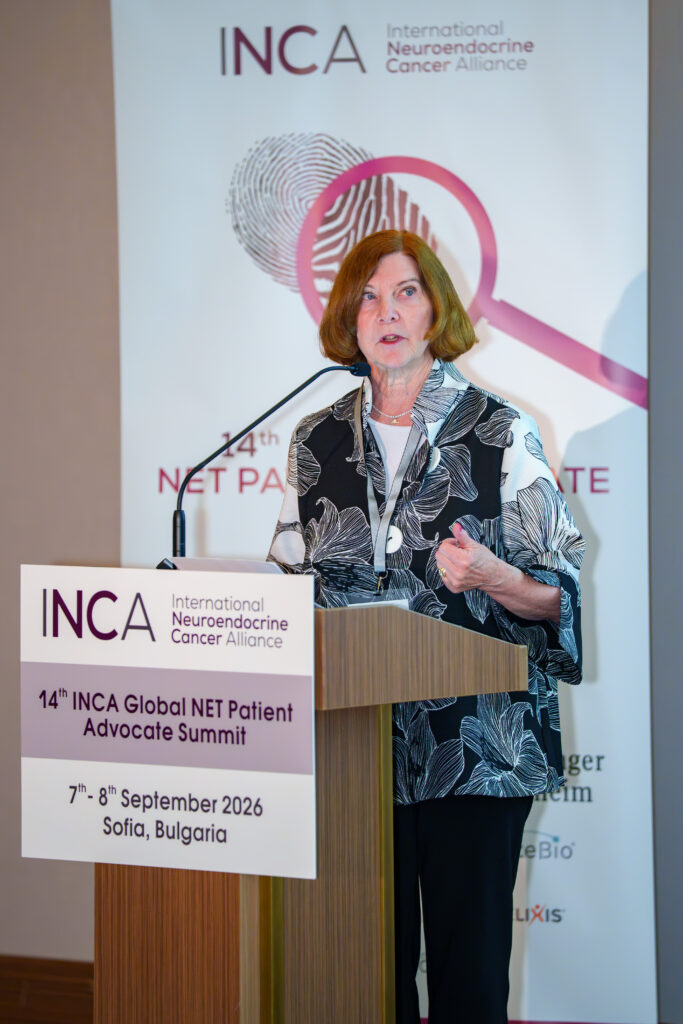
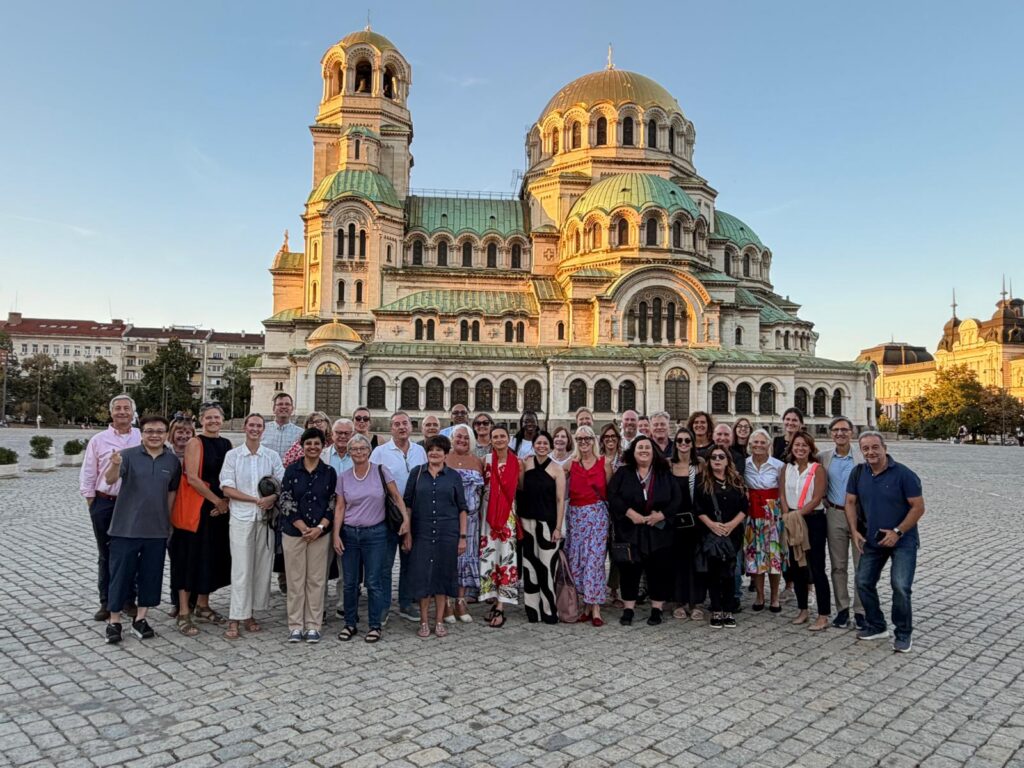
When neuroendocrine cancer advocates from around the world gather, there’s tremendous energy and commitment to serving the needs of patients and caregivers. I represented NETRF at the recent INCA Summit in Sofia, Bulgaria, joining advocates from 23 countries. INCA, the International Neuroendocrine Cancer Alliance, promotes increased awareness of neuroendocrine cancer, ensures access to treatments, and advocates for clinical trials and patient-centered research.
Varied Approaches, Shared Goals
There is something invaluable about sitting in a room with colleagues who are tackling the same problems from a different vantage point. Working with international colleagues is inspiring, and you quickly recognize that while countries and cultures differ, many of the challenges are strikingly similar: how to reach patients with an uncommon and often misunderstood cancer, how to build trust with clinicians, and how to make research relevant to the people it’s meant to serve. Hearing how organizations in other countries approach these same challenges sparks creativity. A strategy that works in one country can spark an idea for how we might adapt our own approach here. I left Sofia with ideas to try, and increased appreciation for how much we can learn simply by comparing notes.
Looking at Research Through a Patient Lens
NETRF has a unique role among INCA members. We are the only INCA member whose primary mission is to fund research around the world to develop new treatments for neuroendocrine cancer. That distinction gave me a chance to present a newNETRF activity in Sofia: a look at how we connect the patient voice directly to the research we fund. I presented NETRF’s Patient Advocate Review pilot as an example of this work. This pilot was created to bring a perspective from patients, caregivers and advocates into NETRF’s scientific grant peer-review process. The concept and process for the pilot were developed by NETRF Chief Scientific Officer Dr. Anna Greene and Research Coordinator Dr. Mandy Westland. Seven Patient Advocate Reviewers were selected, trained, and asked to provide their perspective on Letters of Intent submitted by researchers proposing projects related to earlier detection of neuroendocrine cancer, an unmet need.
While the decision on whether to invite these researchers to submit a full application was based solely on scientific peer review, the patient advocates’ comments identified considerations typically not considered in peer review, including patient burden and meaningful benefit to patients. Patient reviewer comments were provided to applicants as insights for application development or future research grant proposals. The pilot has been a success, with six of six reviewers saying the experience was valuable. NETRF will now extend the pilot to have patient advocate reviewers provide comments on full applications.
I found it especially rewarding to present this model to a room of international peers and see how positively they responded to how NETRF builds patient perspective into the earliest stages of research review. Moments like these are exactly what make these gatherings so worthwhile.