A look at the discoveries, collaborations, and progress advancing neuroendocrine cancer research.
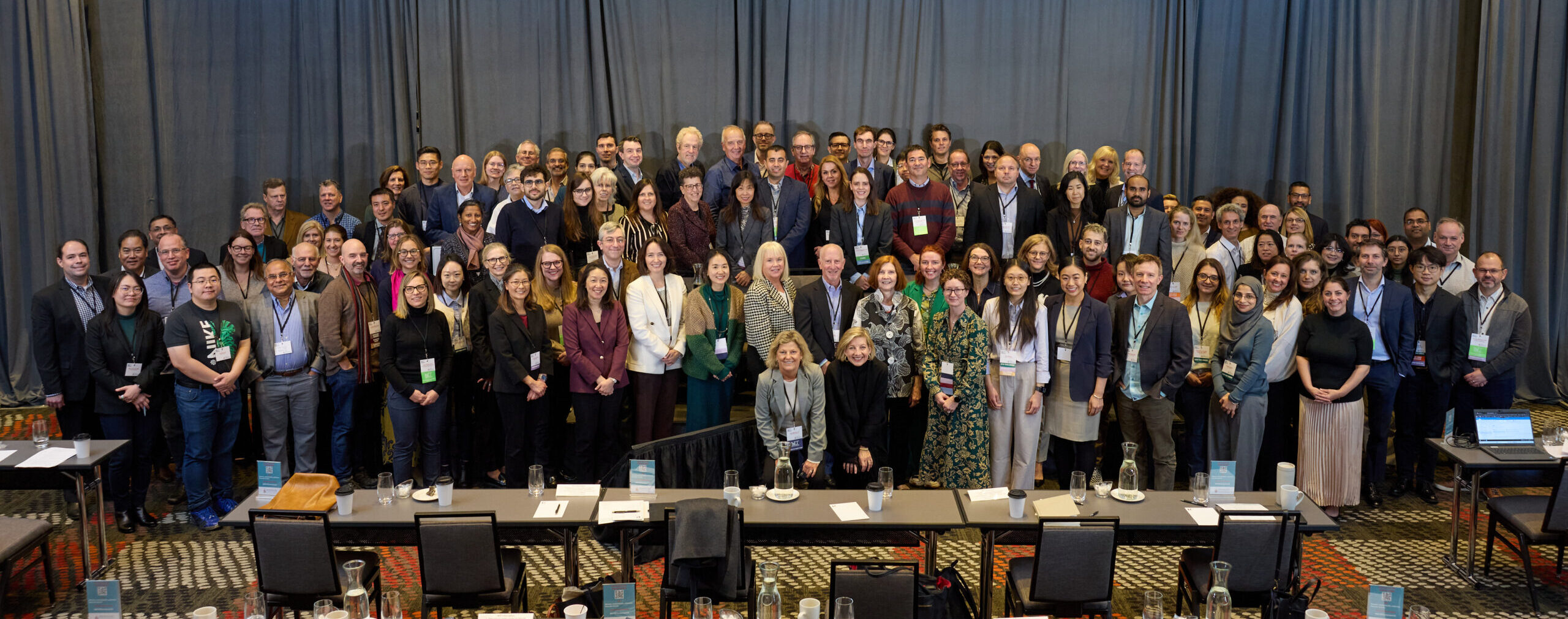
From November 17–19, 2025, more than 120 researchers and clinicians from 11 countries convened in Boston for the 2025 Margie & Robert E. Petersen Neuroendocrine Tumor Research Symposium. Through 32 scientific and patient-focused presentations and 28 research posters, participants shared emerging discoveries, discussed challenges, and formed collaborations that are accelerating progress toward more precise, personalized care for people with neuroendocrine cancer, including neuroendocrine tumors (NETs) and neuroendocrine carcinomas (NECs). Thanks to generous sponsors, sixteen early-career investigators participated, joining the pipeline of dedicated neuroendocrine cancer researchers. NETRF plays a central role in bringing this community together to accelerate progress and focus the field on its most urgent challenges.
A clear theme ran throughout the meeting: the field is moving beyond one-size-fits-all care. Researchers are combining advanced imaging and detailed tumor testing with an understanding of the tumor’s “neighborhood” — the nearby cells, blood vessels, and immune activity that can help a cancer grow or keep treatments from working. They are also using patient-derived models to learn why these cancers behave differently and how to treat them more effectively. The field is identifying new therapeutic vulnerabilities, defining clearer tumor subtypes, gaining deeper insight into progression and treatment resistance, and expanding radiopharmaceutical and organoid platforms that help researchers test ideas faster.
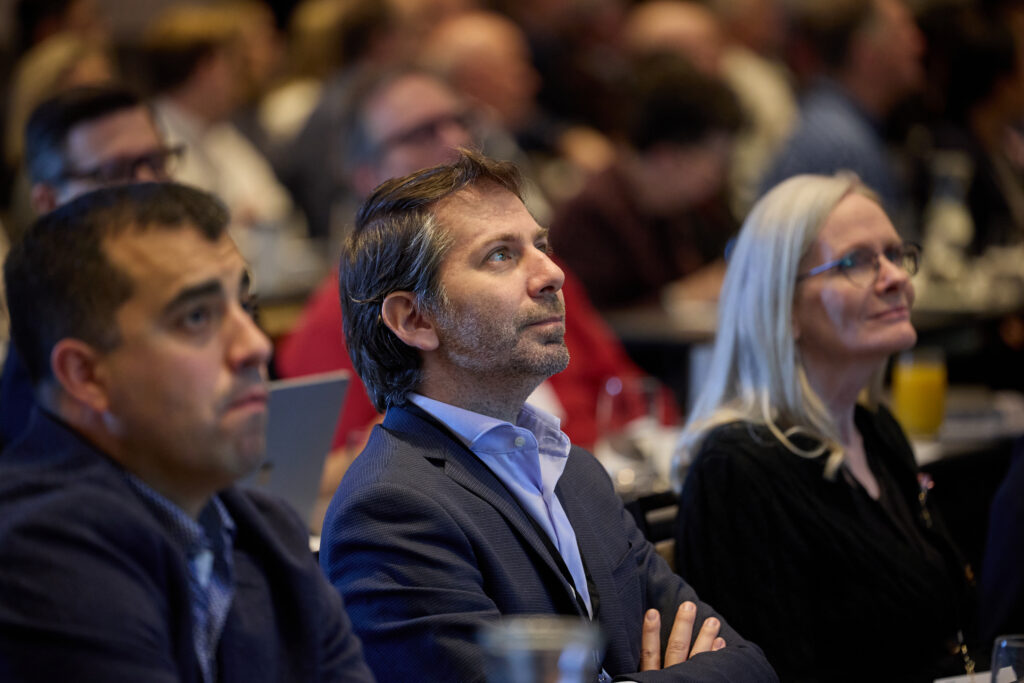
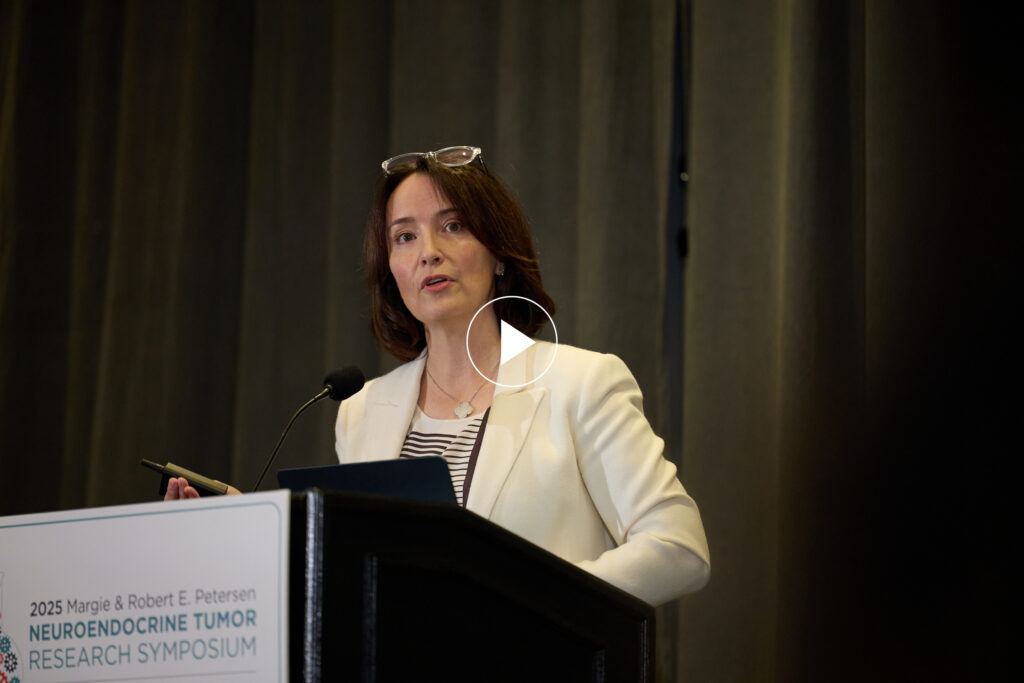
The Symposium also grounded the science in the lived experience of patients and families. In her keynote, Pamela Kunz, MD (Yale University), reflected on the arc of progress over the past 20 years, since NETRF was first established in 2005. She described the shift from limited diagnostic tools and fewer treatment options to a rapidly advancing field with increasingly precise ways to diagnose and more strategies to treat neuroendocrine cancer. In the Challenge Address, Iacovos Michael, PhD (Sunnybrook Research Institute & University of Toronto), urged the community to strengthen the foundations of discovery, emphasizing that understanding the disease is essential to changing outcomes.
Nancy Lewis and Jake Dawson, both patients, shared their personal experiences and reinforced what is at stake. As Jake shared, “The people in this room can really move the needle. You can extend life for people like me, and I have so much life to give.” With that urgency in mind, researchers emphasized what must come next: improving diagnosis, expanding options for aggressive disease, and tailoring strategies to each tumor to stay ahead of resistance and progression.
NETRF’s Research Roadmap and its three pillars align with these research priorities:
Why this matters: The field is building a future where neuroendocrine cancer is detected earlier, treated more effectively, and managed with approaches better matched to each individual tumor, with the potential for better outcomes and fewer side effects.
Your support is essential. It fuels early, high-potential work that often is not funded elsewhere and helps researchers move faster together. In the next pages, you’ll see how the Symposium and NETRF-funded research are moving the field forward.
Your support advances NETRF’s Research Roadmap by accelerating:
Neuroendocrine tumors (NETs)are typically slower-growing and well-differentiated. Neuroendocrine carcinomas (NECs) are faster-growing, more aggressive, and poorly differentiated. Because they behave differently, they require different diagnostic tools and treatment approaches.
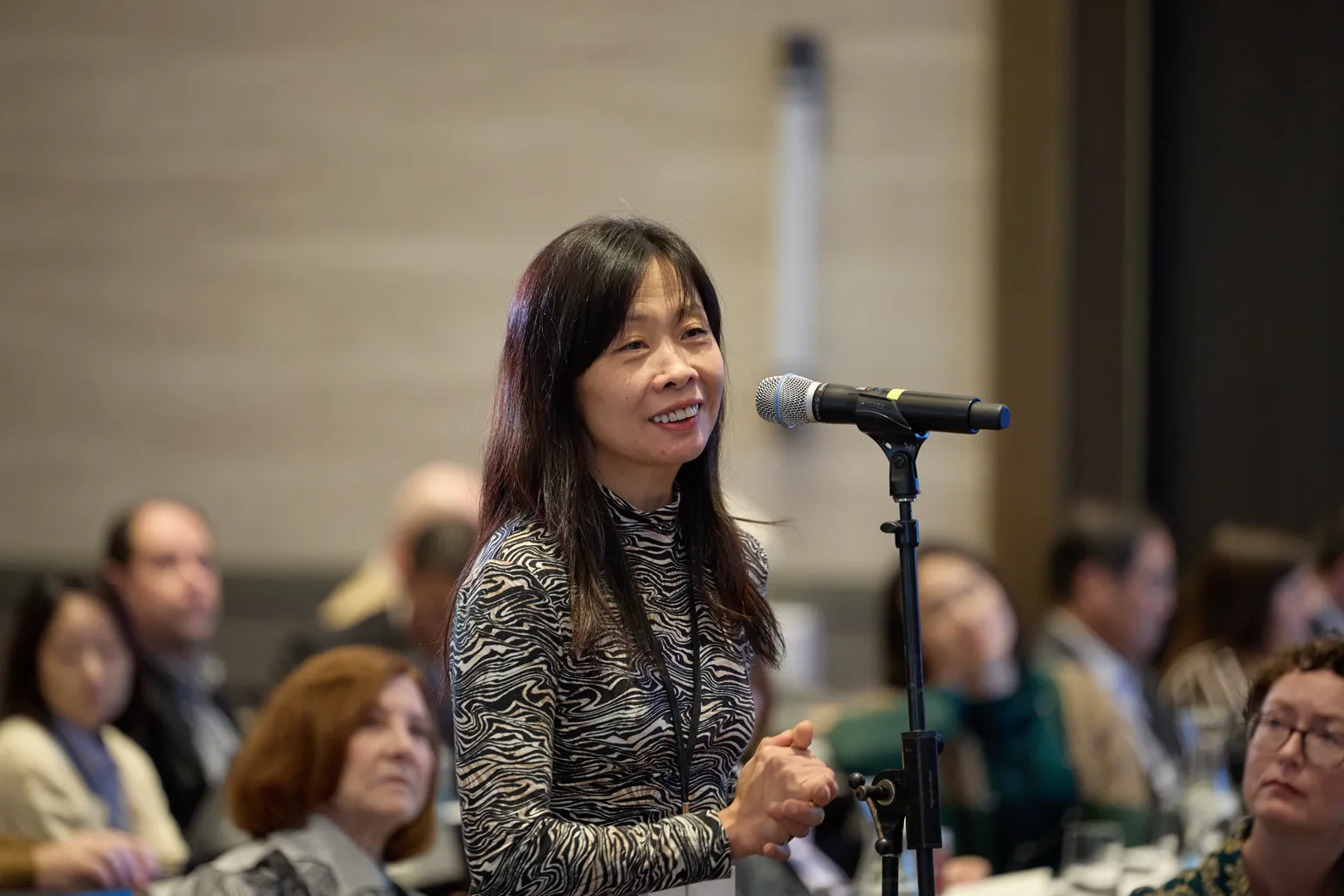
The Symposium brings together the neuroendocrine cancer research community to share discoveries, showcase NETRF-funded work, and spark collaborations across institutions and disciplines. Scientists actively discuss how the science is advancing and where patients still need better answers. The themes below highlight the Symposium's key takeaways, organized according to NETRF’s Research Roadmap.
Earlier, more accurate detection requires better tools for disease detection, progression, and classification.
Future impact: Earlier and more precise detection could reduce diagnostic uncertainty, help guide treatment decisions sooner, and improve long-term outcomes.
Better treatments are possible when we understand how cancers persist and design therapies that exploit their weaknesses.
Future impact: Identifying new therapeutic targets creates the foundation for the next generation of treatments, particularly for aggressive disease that currently has fewer options.
Better treatments are possible when we understand how cancers persist and design therapies that exploit their weaknesses.
Future impact: Identifying new therapeutic targets creates the foundation for the next generation of treatments, particularly for aggressive disease that currently has fewer options.
Jake Dawson shared a metaphor of patience and hope. After learning he needed major surgery for a pancreatic neuroendocrine tumor, he planted six raspberry bushes and watered them daily through recovery. The plants did not produce fruit for years, but they were “laying down their roots for the future,” just as he was through fundraising for research and supporting other families. He connected giving to research with planting a seed, investing in a future you may not immediately see.
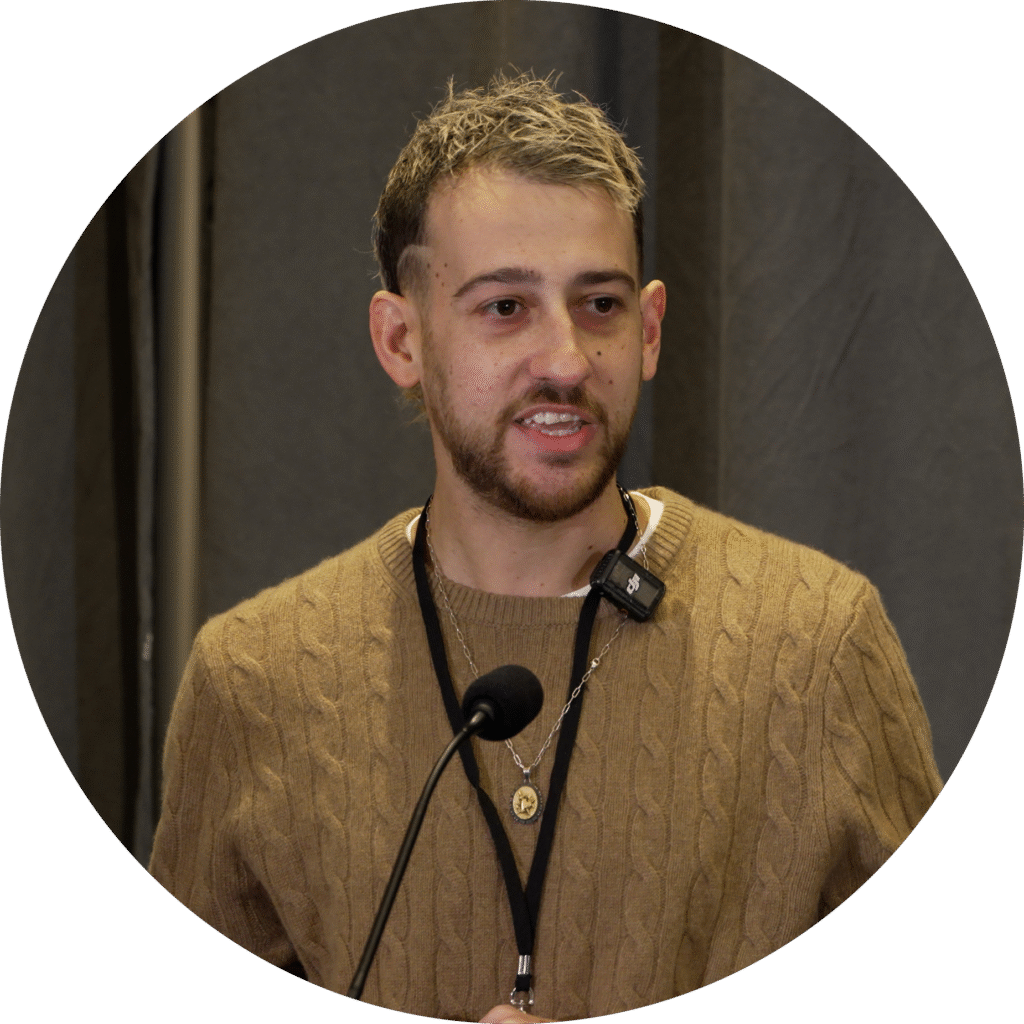
Nancy Lewis shared how her neuroendocrine cancer was discovered unexpectedly and how finding the right specialists helped her see a path forward. She described the relief of having options, and how research adds “arrows to my quiver” over time, more ways to thrive as science advances. Her story is a reminder that progress becomes new choices, real results, and hope for patients and their families.
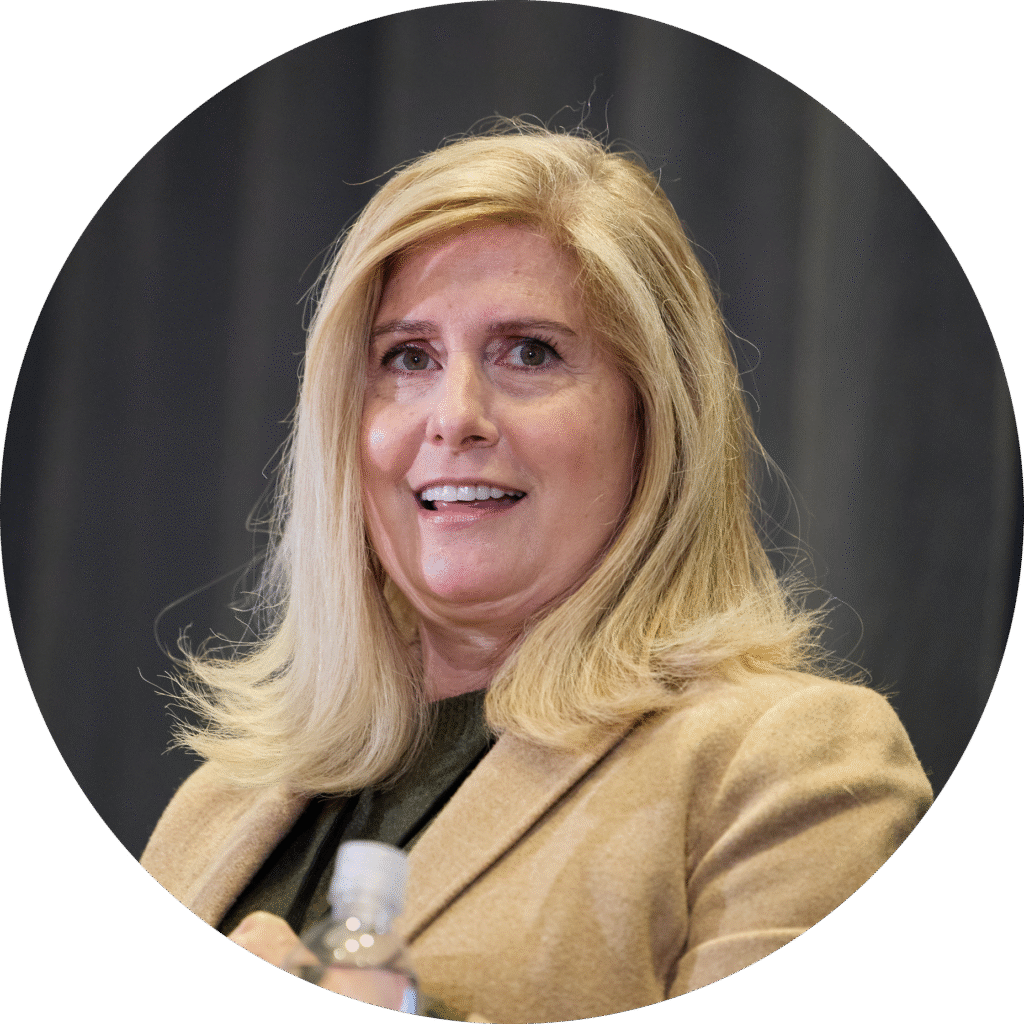

At the 2025 NETRF Research Symposium, Aatur Singhi, MD, PhD (University of Pittsburgh) shared findings identifying a higher-risk pancreatic NET subgroup marked by recurrent BEND2 fusion genes. Discoveries like this help define clearer tumor subtypes, which can inform future diagnostic approaches and, over time, more targeted treatment strategies.
This year’s Symposium underscored a clear message: the field is turning scientific insight into practical next steps. The highlights below show how these advances translate into meaningful progress for patients and families.
Researchers used new tools to study not only cancer Researchers shared advances in scans designed to detect tumors that are hard to see with today’s standard imaging, and to track disease more accurately over time. One team presented an imaging approach aimed at lung neuroendocrine tumors that do not show up well on typical receptor-based scans. Another study compared two advanced PET scans in a rigorous clinical trial design, reporting stronger tumor-to-background visibility with the newer approach. Researchers also discussed alternative imaging methods that look for different signals in the tumor’s surrounding tissue, which could help in more complex cases.
Why it matters: Better imaging can support more accurate diagnosis and clearer treatment decisions.
Across sessions, investigators moved beyond identifying targets and showed early evidence for how new treatment strategies could work in practice. For example, one group described a strategy that disrupts how tumor cells protect themselves from damaging stress, with strong anti-tumor effects in laboratory models. Another team shared work on medicines designed to push tumor cells back toward normal cell death pathways, tested in patient-derived models. Several talks focused on finding targets on the surface of high-grade tumors, an approach that could enable more precise delivery of therapies where options are currently limited.
Why it matters: These results help narrow the field to the most promising strategies, showing which approaches have real traction in rigorous models, and what needs to be optimized before moving toward clinical studies.
Researchers used new tools to study not only cancer cells, but also the surrounding cellular environment that influences growth, spread, and resistance. One example focused on why some tumors become more invasive after certain anti-blood-vessel treatments, and how blocking a compensatory pathway reduced metastasis in models. Another example showed that some patients can have multiple small-intestinal tumors with meaningful biological differences, which may help explain why a single biopsy does not always capture the full picture.
Why it matters: Understanding the “why” behind behavior and resistance can guide smarter combinations and help treatments work longer.
Several presentations highlighted tools that make research more predictive. Patient-derived organoids, miniature tumor models grown from patient tissue, are being used to test therapies and compare responses across tumor types and grades. Researchers also shared a new patient-derived 3D model to study mesenteric fibrosis, a serious complication that can affect people with small-intestinal neuroendocrine tumors. These models better reflect what happens in patients, allowing researchers to study complex problems more accurately.
Why it matters: More realistic models reduce guesswork, help prioritize the most promising ideas, and can speed the path from lab studies to better-designed clinical research.
Across imaging, treatment development, and more realistic disease models, the field is strengthening the foundation for earlier answers and better options for patients.
Neuroendocrine cancer research has real momentum, but too many patients still face uncertainty and too few options. Diagnosis can be uncertain, particularly when tumors vary widely across patients -- or even within the same tumor. Treatment options remain limited for aggressive disease, including Grade 3 NETs and NECs, and many patients experience progression over time or complications such as carcinoid heart disease or mesenteric fibrosis. These unmet needs are why continued research matters.
The Symposium underscored a clear direction aligned with NETRF’s Research Roadmap: strengthen early detection and classification, expand new therapeutic options for aggressive and treatment-resistant disease, and advance precision medicine by using patient-derived models and other predictive tools to match the right strategy to the right tumor, and to move the best ideas faster into well-designed clinical studies. NETRF is helping define and drive this direction.
This is where your support makes a decisive difference. NETRF’s Research Symposium convenes the field to share results, pressure-test new ideas, and form collaborations that accelerate progress. NETRF’s Research Roadmap keeps these efforts focused on the highest-priority unmet needs, and your support fuels the early, high-potential work that often cannot be funded elsewhere. Because of you, researchers can tackle the hardest problems, build shared resources, and work across institutions to turn discovery into better options for patients.
Why this matters
The next breakthroughs will come from sustained basic and translational research and from collaborations that turn insights into testable treatments and, ultimately, better outcomes.
Thank you for helping turn discovery into better outcomes.